
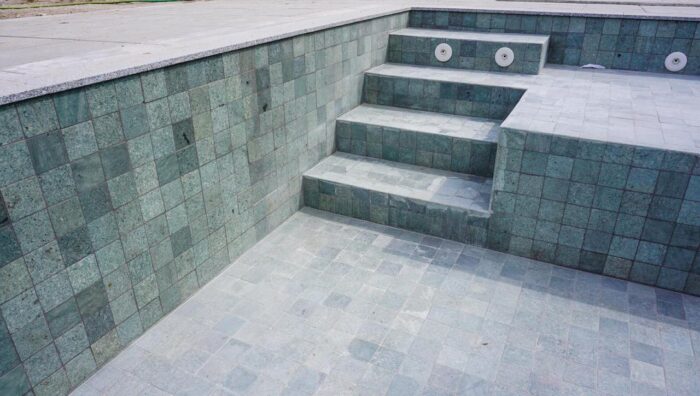
In recent years, homeowners and architects around the world have shown growing interest in natural materials that combine beauty, performance, and sustainability. One material that often becomes the center of attention in luxury tropical design is Green Sukabumi stone, known for its distinctive appearance and practical advantages.
Homes built with natural stone elements are no longer seen as purely aesthetic statements, they are increasingly valued for comfort, durability, and environmental responsibility.
Natural stone homes inspired by tropical architecture are designed to work with nature rather than against it. They prioritize airflow, temperature balance, and visual harmony with the surrounding environment. Using high-quality stone materials plays a major role in achieving these goals.
Understanding Natural Stone in Residential Architecture
Natural stone has been used in residential construction for centuries. From ancient villas to modern minimalist homes, stone remains one of the most reliable and versatile building materials. Unlike synthetic alternatives, natural stone is formed over thousands of years, resulting in unique textures, mineral patterns, and color variations that cannot be replicated artificially.
In modern home design, natural stone is often associated with:
- Timeless elegance
- Structural strength
- Low environmental impact
- Long-term cost efficiency
Natural Cooling and Thermal Comfort
One of the biggest benefits of stone-based homes is their natural ability to regulate temperature. Stone has excellent thermal mass, meaning it absorbs heat slowly during the day and releases it gradually as temperatures drop. This creates a more stable indoor climate, especially in warm or tropical regions.
Homes designed with stone walls, floors, or facades tend to feel cooler without relying heavily on-air conditioning. This not only improves daily comfort but also reduces energy consumption and electricity costs over time. For homeowners seeking passive cooling solutions, natural stone is an ideal choice.
Sustainable and Eco-Friendly Living
Natural stone aligns well with eco-conscious construction because it requires minimal chemical processing compared to manufactured materials. Quarrying and cutting stone generally have a lower carbon footprint than producing concrete composites or ceramic alternatives.
Additionally, stone is biodegradable and does not release harmful chemicals into the air. This makes stone-based homes healthier for occupants, especially for families concerned about indoor air quality and long-term well-being.
Durability and Long-Term Value
Stone homes are known for their longevity. Unlike wood or synthetic cladding that may degrade, warp, or fade, natural stone retains its strength and appearance for decades. It resists weather changes, moisture, and pests, making it suitable for both coastal and inland environments.
This durability translates into long-term financial value. While the initial investment may be higher than standard materials, maintenance costs are significantly lower.
In the middle of many design discussions, Green Sukabumi stone is often highlighted as an example of a material that balances durability with refined aesthetics, especially in high-end residential projects.
Luxurious Aesthetic Appeal
Natural stone instantly elevates the look of a home. Its organic texture and subtle color variations create a sense of luxury that feels authentic rather than artificial. Stone surfaces reflect light softly, adding depth and character to both interior and exterior spaces.
In modern tropical homes, stone is frequently used to:
- Enhance exterior facades
- Frame entryways
- Highlight feature walls
- Complement water elements
Versatile Applications in Home Design
One of the reasons natural stone remains popular is its versatility. It can be applied in many areas of a home without overwhelming the overall design.
Exterior Use
Stone facades provide a strong first impression while offering protection against heat, rain, and humidity. They also age gracefully, developing character rather than visible damage.
Interior Accents
Inside the home, stone can be used for flooring, accent walls, staircases, or fireplace surrounds. These elements create focal points without requiring excessive decoration.
Water Features and Pools
Natural stone pairs exceptionally well with water. Its non-slip texture and ability to maintain cooler surface temperatures make it ideal for pools, fountains, and garden features.
Health and Comfort Benefits
Beyond aesthetics and durability, stone contributes to healthier living spaces. It does not trap dust, allergens, or odors, making it easier to maintain a clean indoor environment. Stone surfaces are also resistant to mold and mildew when properly installed.
Low Maintenance and Easy Care
Contrary to common belief, stone homes do not require complicated upkeep. Routine cleaning with mild solutions is usually sufficient. Periodic sealing may be recommended depending on the application, but overall maintenance remains minimal.
This ease of care makes stone especially appealing for vacation homes, rental properties, or homeowners who prefer low-maintenance living without sacrificing quality.
Choosing natural stone for residential construction is more than a design decision, it is an investment in comfort, sustainability, and long-term value. Stone-based homes offer natural cooling, durability, visual elegance, and environmental benefits that few materials can match.
As interest in sustainable luxury continues to grow, materials like Green Sukabumi stone remain relevant for homeowners who want their living spaces to feel refined, functional, and deeply connected to nature.